The Fed
7 bullish · 25 bearish · 10 dovish · 32 hold · 104 neutral · exact words, dated and sourced
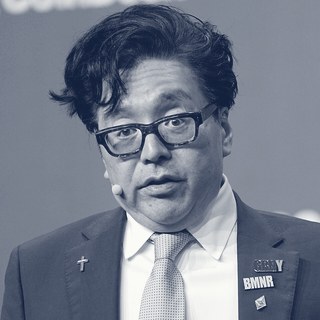
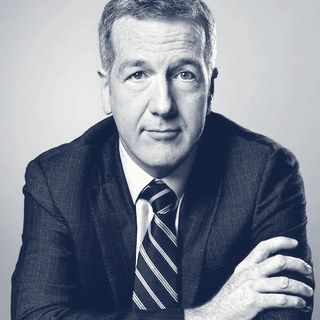
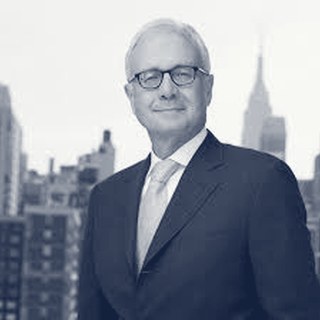
 +85
+85What does the Warsh Fed do next: cut, hold, or hike, and when? Every other debate keys off this one.
The count, last 30 days: 4 bullish, 13 bearish. The tape leans bearish. A count, not a verdict.
The tape
Jun 29
Jul 06
Jul 13
Aug 10
Aug 17
Sep 07
bullishbearishclaims filed per week
What the people who move markets are saying about this, in their own words. These are views on the record, not scored bets: when a call here grows a number and a deadline, it moves to the scoreboard. Newest first.
Neutral
Deepak Mehra says the Fed hike the market expects next week would be a very big mistake because the US economy is weaker than headline data show.
I think there is sort of a belief in the market that now a Fed rate hike is definitely on the cards. I think it would be a very big mistake if they actually go ahead with it for a variety of reasons.
Neutral
Deepak Mehra blames the Treasury sell-off on Fed chair Warsh's communication (undefined reaction function, hawkish Jackson Hole) clashing with Bessent's long-bond buying, and says better communication is the fix.
I think the genesis of this bond market problem is Kevin Walsh's first FOMC meeting press conference where he could not define what his reaction function would be.
Bearish
Jack Caffrey tells the anchor Treasury buying back 2% coupon bonds at 4-4.2% yields widens the deficit while trying to push yields down, which he finds confusing.
you actually wind up widening the deficit in the attempt of trying to drive down interest rates, so I'm a little confused by that one
Neutral
Mike McKee tells the anchor that if energy-driven price rises keep spreading through PPI, the Fed will find it very hard to justify not raising rates.
So we're starting to see this spread, and if that continues, it's gonna be very hard for the Fed to come up with some reason not to raise rates.
Neutral
Michael Reid tells the anchor that if the Fed does decide to hike, one 25bp move would not be enough and it should reverse at least three of last year's cuts, while his base case remains on hold.
So at a minimum, they should be putting at least three cuts back in. If their belief is the labor market's fine and this inflationary pressure continues.
Hold
Michael Reid tells the anchor RBC's base case is that the Fed remains on hold.
I mean, look, right now our base case is that the Fed remains on hold.
Hold
Michael Reid tells the anchor hiking with a blunt tool risks crushing demand among a credit-reliant, lower-income consumer base already in pain, which supports his on-hold base case.
So there's a risk that you could really crush demand in a consumer base that is already feeling this pain.
Neutral
McGlone tells Lin that fed funds futures price about 60 bp of hikes one year out, the most since Q4 2021.
Fed funds are priced for hikes. One year out, they're priced for 60 basis points of hikes. That's the most on a one-year future since 2021 Q4.
Hold
McGlone tells Lin the Fed will not hike at the September 16, 2026 meeting even though markets price about two-thirds odds; if stocks fall they will not hike.
The Fed, as you mentioned, basically two-thirds price for hikes at the September 16th meeting, which I don't think is gonna happen. If stock market goes down, they won't hike.
Neutral
McGlone tells Lin the Fed has to tighten because there is too much inflation, mostly from wealth creation rather than oil.
The Fed has to tighten because there's too much inflation.
Neutral
Gary Wagner tells David Lin there is a very high probability the Fed raises rates at the September 2026 FOMC, driven by oil-led inflation pressure.
I believe there is a very high probability that the Fed will actually raise rates
Hold
Tom Lee says with core CPI at 2.3% versus a 2% target the Fed need not hike, and that hiking would be fighting last year's war.
if people accepted that and they looked at core CPI at 2 3 versus 2 I think Waller is correct
Bearish
Wilson tells nervous investors to own the S&P 500 and avoid long bonds, which he says have been a train wreck for five years
own the S&P 500, okay, don't own long bonds. I mean, like long bonds have been a train wreck for five years.
Neutral
Wilson expects the new Fed chair not to tighten the balance sheet aggressively into the midterms
I don't think the Fed chair is going to be really overly tight on balance sheet going into midterms.
Bearish
Weiss warns that sustained high energy prices would force Fed tightening that cannot fix oil, leaving markets with higher rates and higher oil; conditional scenario
the fed can't control energy prices with a hike either so you can be left with the worst of both worlds which is higher rates and then higher oil prices
WTI crude since this was said: ▲ +3.7% · 96.05 → 99.65 · as of 2026-09-11
Bearish
Kristina Hooper of Man Group tells CNBC the 10-year Treasury yield will easily reach 5% this year, possibly within the next month, which weighs on long-duration equities like tech.
I think where we're headed is higher yields. I think we're going to easily get to 5% on the 10 year. Absolutely this year. And I think it could happen within the next month easily.
Hold
Brien Lundin tells Kitco the market is wrong to price a campaign of rate hikes by Kevin Warsh because the debt load makes hikes unaffordable.
But if he really thinks he can conduct a campaign of rate hikes, then he hasn't done the math. And it just cannot be afforded. There's no way to afford it right now with the debt dislarged.
Dovish
Peter Schiff tells the TheStreet anchor that despite all the hike talk the Fed is more likely to cut rates than raise them (though he thinks it should hike).
they actually haven't hiked rates and I still think that they're more likely to cut them.
Neutral
Peter Schiff says that with a vote at the September FOMC he would back a 200bp-plus hike plus large balance-sheet reduction; this is what he thinks the Fed should do, not what he expects.
I would vote for a big hike. I don't know, the couple of hundred basis points at least.
Hold
Peter Schiff expects the Fed not to hike at the September 2026 FOMC, against market pricing of roughly 60% for a hike.
Well, I still think they won't hike. I don't know what they gain by hiking 25 basis points because it's too little too late to do anything about inflation
Hold
Peter Schiff says if the Fed hikes at all before the election it has to be at the September meeting; otherwise no hike until maybe December.
So either they do it now or they're not going to do it until maybe December.
Neutral
Peter Schiff expects the Fed never to run tight policy because the government cannot afford higher rates; the only question is how easy it stays.
So the Fed is never going to have a tight monetary policy. It's always going to be easy. The question is how easy.
Neutral
Peter Schiff says cutting too soon is a bigger Fed mistake than hiking, and the real error is that the Fed will not hike enough even if it hikes.
Well, cutting is a bigger mistake than hiking. But the mistake is they're not going to hike enough, even if they do hike.
Hold
Moore predicts Warsh will neither hike nor cut in September but stand pat and let the economy grow.
Now, I don't think he's going to cut rates. I think he'll stand pat for a while, let the economy continue to grow.
Neutral
Jim Bullard (ex-St. Louis Fed) tells Kitco the FOMC is split about 10-9 on hike vs hold at the September meeting, with fence-sitters persuadable either way.
I think the committee is split pretty much down the middle, so 10 to 9 or one way or the other.
Neutral
Bullard says the Fed should be willing to run somewhat more restrictive policy now, even if it worsens the Treasury's interest bill, to avoid a crisis later.
maybe maybe if we did a little bit more restrictive monetary policy today, then we wouldn't have to do as much later and we'd avoid getting into a crisis later on
Neutral
Tom Porcelli (Wells Fargo) tells Kelly Evans that Warsh has committed to hiking if data run hot, so the September decision comes down to next week's CPI and PPI.
if the data move against you you're gonna actually have to hike. Again I don't love the idea that it's all about the singular report but I think that's the corner that Warsh has painted himself.
Neutral
Paffrath says markets moved the odds of a Fed rate hike to 50% from about 32% after Warsh's Jackson Hole speech.
we got markets moved the odds of a rate hike to 50% from about 32%
Hold
Paffrath says there is no way Warsh hikes before the November 2026 midterms for political reasons, calling him a puppet.
I think politically, there's no way he does this before the election, especially since I think he's a puppet.
Neutral
Paffrath says Warsh's hawkish Jackson Hole tone pretty much guarantees a Fed rate hike in December 2026, with markets fine until then.
So overall, definitely a hawkish tone. Pretty much guarantees us a rate hike in December
Hold
Trinh Nguyen (Natixis) tells Bloomberg she expects the Fed to hold at the next meeting and for the rest of 2026 into 2027, so priced-in hikes get priced out.
And we think that the Fed is probably going to hold for the rest of 2026 and into 2027.
Bearish
Ella Hoxha (Newton IM) tells Bloomberg the key bond-market fragility is deteriorating US fiscal data after this year's tariff unwinds.
perhaps one thing to mention is the deterioration on the fiscal side for the U.S. because of the tariff unwinds that we've seen this year.
Bullish
Hoxha tells Bloomberg softer data and better inflation give bonds, especially the 2-5yr sector, support for the next couple of quarters.
I think for the next if you like couple of quarters you know you actually have some support for bonds coming through.
US 2-yr yield since this was said: 4.19% → 4.43% (+24 bp) · as of 2026-09-09
Hold
Hoxha tells Bloomberg she expects the Fed to stay put given the recent mix of data.
our anticipation is that the Fed will stay put particularly given the mix of the data that we've had more recently.
Bearish
Hoxha tells Bloomberg capex and fiscal concerns keep pressure on the long end, so curves stay steeper for the foreseeable future.
So capex should stay in the pipeline for the foreseeable future. So I think that will keep pressure on the long end combined with this with this fiscal concerns that bond investors have as well. So all those equal curves should stay steeper for the foreseeable future.
Neutral
Hoxha tells Bloomberg she expects a neutral, non-committal message from the Fed chair at Jackson Hole.
I suspect neutrality perhaps is the better expectation that might be coming forward.
Bullish
Hoxha tells Bloomberg Newton is closing part of its duration underweight but is not yet neutral.
We're actually starting to close a lot of that underweight. In fact we've reduced some of it. We're still not close enough to neutral
Bullish
Hoxha tells Bloomberg there is a window to own bonds over the next few quarters as protection against AI-trade jitters.
I think there is a window here to own bonds over the next few quarters and mostly because of all this A.I. chatter that we have in markets
US 10-yr yield since this was said: 4.72% → 4.94% (+22 bp) · as of 2026-09-10
Hold
Tim Waterer (KCM Trade) thinks soft data lets the Fed's doves be patient at the September meeting, but oil prices mean a September hike is not fully off the table.
this week's data gives a little bit more credibility to the doves that want to be patient, but not out of the woods yet for September, I would have thought.
Hold
Julian Emanuel of Evercore tells Bloomberg his call is that the Fed stays on hold in September.
This will be interesting, because our call is that they actually will stay on hold in September.
Neutral
Julian Emanuel of Evercore tells Bloomberg that market-implied odds of a September hike (~30%) will nudge higher between now and the September 16 FOMC, which could unsettle markets.
I think we think that's going to nudge higher between now and September 16.
Neutral
Skylar Montgomery Koning (TS Lombard) tells Guy Johnson that with inflation still above 3% the Fed needs its credibility validated, so a hike this year stays priced; the open question is one-and-done or none.
The Fed needs to kind of have its inflation fighting credibility validated. And yes it's come down but you're still above 3 percent. So you can't get rid of that hike. That's very much price for this year.
Bearish
Stephanie Guild (Robinhood) tells Guy Johnson the competition for capital (government, AI companies, tech firms acting as banks) plus good growth is pushing Treasury yields higher, with a 10-year above 5% the big risk.
I do think I mean that's why Treasury yields are going higher. I think. And even though we have good growth right like generally across the upper end of the economy. And so that's going to support higher rates.
Bearish
Jurrien Timmer tells Bloomberg he sees more upside than downside risk to Treasury yields because the economy is running hot and the soft payroll print is mostly statistical.
But I do see more upside risk to Treasury yields than downside risk. The economy is running pretty hot even though we had a weak retail sales number and the payroll number was soft although I think that's mostly a statistical thing.
Neutral
Eric Rosengren tells Bloomberg that with CPI at 3.4% the Fed debate is hike versus hold, not cuts.
So I think the debate is really going to be about whether the Fed should raise rates or leave them the same.
Neutral
Eric Rosengren tells Bloomberg the Fed is primarily focused on how long it takes inflation to return to 2%, not on weak consumer data.
but I think right now they're going to be primarily focused on what are the expectations for how long it takes inflation to come down to the two percent inflation target
Neutral
Eric Rosengren tells Bloomberg the rise in long yields began at Warsh's press conference and reflects doubt that Fed actions match its inflation rhetoric, so it is not simply the market doing the Fed's work.
And I think the reasons why it's probably moved up it started moving up at the press conference. That was an indication that they weren't as confident that the actions of the Fed were going to be commensurate with how they described what they're planning on doing on inflation.
Bearish
Yung-Yu Ma (PNC) tells CNBC that Treasury and corporate supply will strain capital markets and show up as higher long-term interest rates, especially with oil elevated.
That strain is going to take place in the form of longer-term interest rates pushing higher, especially when we have oil prices elevated, as they are today.
Hold
Siegel tells CNBC that if oil stays in the low $80s the Fed will not hike in September.
I have a feeling if oil certainly stays in that low 80s, I don't see any way that worst is going to raise in September and the earnings parade continues.
Neutral
Megan Horneman (Verdence Capital Advisors) tells the anchor the market is too optimistic about the Fed, whose officials remain hawkish, and that an as-expected CPI is not good enough to reach target.
I think the market's getting too optimistic about this Fed and what they're going to do in the coming months. I think that they're still very hawkish in their comments.
Neutral
Megan Horneman (Verdence Capital Advisors) tells the anchor a rate hike at the Fed's September 2026 meeting is very much on the table and that, in her opinion, the Fed should hike.
I still think that's very much on the table. I mean, in my opinion, I think they should.
Neutral
Megan Horneman (Verdence Capital Advisors) tells the anchor the real fed funds rate is not really in restrictive territory and system liquidity is inflationary, so current policy will not get inflation to 2%.
The real Fed funds rate is not really in restricted territory.
Bearish
Megan Horneman (Verdence Capital Advisors) tells the anchor long-term bonds are a big risk right now, citing the highest 10-year auction yield since 2007 and a 30-year likely at the highest since ~2001, so investors should keep duration short.
Long-term bonds right now are a big risk, in our opinion.
US 30-yr yield since this was said: 5.21% → 5.28% (+7 bp) · as of 2026-09-09
Bearish
Mike Pyle (BlackRock) tells CNBC that historic capex demand plus fiscal, corporate and household borrowing have capital markets at the outer bounds of capacity, tilting interest-rate risks upward, especially at the long end.
All of that adds up to us to an environment where the risks are tilted upward on interest rates, precisely because the capacity of capital markets are at the outer bounds
Hold
David Lin (host) says Kevin Warsh cannot cut rates given the inflation created by the Iran war; the Fed can only hold or hike, despite Trump wanting lower rates.
Kevin Walsh can't do that right now with the current condition. That the Iran war has created. He has to either keep rates unchanged or raise rates.
Hold
Mark Zandi thinks the Fed most likely threads the needle and keeps rates unchanged, against a consensus expecting a hike later this year into next.
My sense is that they'll probably be able to get through all of this without doing anything, kind of thread the needle
Neutral
Jan Hatzius (Goldman Sachs) tells Fox Business he expects core PCE to remain the Fed's primary inflation gauge into 2027 and beyond, despite Chair Warsh leaving the question open.
But my expectation would be that even as we go into 2027 and beyond, PCE is still what they're most focused on.
Neutral
Jan Hatzius (Goldman Sachs) tells Fox Business that 2% is the right inflation target, though being a few tenths off, as in the 1.6-1.7% pre-pandemic years, is not a real problem.
No, I think 2% is the right number. I think it's important to say 2% rather than 2.0% because that gives a false sense of precision.
Hold
Jan Hatzius (Goldman Sachs) tells Fox Business that Goldman's forecast has no Fed rate hike in the remainder of 2026, though a hike is possible.
There could be a hike, but in our forecast, we don't have a hike in the remainder of the year.
Hold
Matheus Dibo (Goldman Sachs PWM) tells Lacqua the Fed will stay on hold for the foreseeable future, disagreeing with market pricing of hikes.
Now clearly the market is still pricing in hikes but we actually disagree and believe that the Fed will be on hold for the foreseeable future.
Neutral
Dibo tells Lacqua the risk to his on-hold base case is tilted toward Fed hikes if the next three CPI prints surprise to the upside.
we fully acknowledge that the risks are tilted towards hikes especially if the next three inflation prints surprise on the upside.
Neutral
Yardeni tells Bloomberg 10-year yields of 4-5% are normal and reflect a strong economy, not a threat.
I don't really get freaked out by bond yields between 4% and 5%, the 10-year between 4% and 5% in the US.
Neutral
Aditya Bhave (BofA Securities) tells CNBC the Fed should take back its 75bp of cuts because unemployment is lower and inflation higher than a year ago while financial conditions are not tight.
the policy rate is 75 basis points lower than it was. So, that doesn't make sense to us. We think they need to take back those 75 basis points of cuts.
Bearish
Aditya Bhave (BofA Securities) tells CNBC that with the 30-year at 5.25% and 10-year at 4.70%, failing to hike now risks the long end becoming unanchored if data turn hawkish early next year.
the 30 years already at 525, the 10 years at 470. If they don't hike now and the data turn hawkish again early next year, they're facing a very serious risk that the long end could get unencored
US 30-yr yield since this was said: 5.24% → 5.28% (+4 bp) · as of 2026-09-09
Neutral
Aditya Bhave (BofA Securities) tells CNBC BofA forecasts Fed hikes at the September, October and December 2026 meetings, while admitting soft inflation data could push the start to December.
We have them happening in September, October, and December.
Hold
Aditya Bhave (BofA Securities) tells CNBC the Fed will not begin hiking at the October 2026 meeting, six days before the midterms; the first hike comes in September or December.
If they've already started, they might continue in October, but I don't think they would insert themselves into the conversation six days before the midterms.
Neutral
Bill Campbell (DoubleLine) tells Bloomberg's The Close that the in-line July CPI changes nothing for Treasury investors and just pushes the Fed decision to the August CPI and jobs reports and Jackson Hole.
Honestly, I don't think so. I think the CPI report coming out pretty much, you know, as the market expected, just kind of kicks the can forward to the two August reports
Bullish
Bill Campbell (DoubleLine) tells Bloomberg he continues to favor short-end Treasuries because the 2-year at ~4.20% already prices in a Fed hike.
we continue to favor the short end treasuries. If you look at the two years up at 420 today, you're basically pricing the hike in.
US 2-yr yield since this was said: 4.20% → 4.43% (+23 bp) · as of 2026-09-09
Bearish
Bill Campbell (DoubleLine) tells Bloomberg that heavy hyperscaler investment-grade issuance, on top of fiscal supply and inflation questions, will keep pressuring long-end government bond yields higher in the US and other developed markets.
And that's going to, I think, continue to put pressure on the long end of, you know, the government interest rate curves
Neutral
Bill Campbell (DoubleLine) tells Bloomberg a September Fed hike is roughly a coin flip and that market pricing fairly reflects the inflation risk rather than underestimating it.
you know, the hike is pretty much a coin flip for September. So I think the market is relatively cautious about that.
Neutral
Bill Campbell (DoubleLine) tells Bloomberg the Fed's reaction function, possibly including its primary inflation target measure, may change in 2027 depending on what Chair Warsh's five task forces recommend.
And there is a potential that the reaction function itself may change in 2027 depending on the outcome of what these task forces find
Neutral
Tiffany McGhee (Pivotal Advisors) tells Bloomberg that benign core CPI combined with last week's weak jobs report takes a lot of pressure off the Fed, consistent with no September hike.
combined with last week's job report really does take a lot of pressure off the Fed, I believe.
Neutral
Michael Strain says core PCE up considerably from 15-16 months ago leaves the Fed in a hard place, with no easy path to cutting.
It's actually up considerably from 15-16 months ago and I think that leaves the Fed in a hard place.
Dovish
Thomas Hayes (Great Hill Capital) tells David Lin the Fed will certainly not hike by end-2026 and is more likely to cut, whether before year-end or in Q1 2027.
we're moving down the spectrum towards where I'd expected we'd be towards the end of the year, which is more likely a cut, certainly no hikes.
Neutral
Thomas Hayes (Great Hill Capital) tells David Lin that if long-end yields get out of control, Treasury Secretary Bessent will step in and an Operation Twist-style intervention may follow.
I think if it gets out of control, I think you'll see Bessin start to get involved. And you may see an operation twist coming to play.
Neutral
Julian Emanuel tells CNBC the market may get little warning from Warsh and the September 16 Fed decision looks like a coin flip.
it may feel like it's going to be a coin flip into that September 16 meeting.
Neutral
Julian Emanuel tells CNBC equities would rather see the Fed signal intent to hike, because anchored inflation expectations could dampen long-term yields.
I think the market would rather see the intent to hike, because in fact, it has a chance to dampen longer term yields because you keep inflation expectations anchored.
Neutral
Laura Cooper tells Bonnie Quinn a September hike would make markets price a full tightening cycle that the data (easing unit labor costs, soft labor market, slowing shelter) does not justify.
And I think the risk is that if the Fed does tighten policy rates in September, then to Hammock's point, markets will start extrapolating that and pricing in the resumption of a tightening cycle. And it's not clear that the data would warrant that.
Hold
Laura Cooper (Nuveen) tells Bonnie Quinn the Fed will take a wait-and-see stance rather than hike in September.
it's one of the reasons why we think the Fed is going to take more of a wait and see stance to see how the data unfolds.
Neutral
Joe Lavorgna (SMBC Americas) says the Fed should already have hiked, framed as removing last year's insurance cuts.
I do, Brian, because had the Fed hiked and couched it in terms of removing the insurance that it put in place last year when the labor market looked really soft
Neutral
Joe Lavorgna expects the Fed to hike rates before the end of 2026.
Having said that, I do expect to set the hike before the year is out.
Hold
Joe Lavorgna says a soft core CPI (0.18 m/m, 2.5% y/y) would make markets price out a September hike and the Fed would follow and not hike.
if we get a 0.18 tomorrow on the core and that rate dips down to 2.5%, or even surprises to the downside again, the market will completely take out or largely take out a September hike, and they won't go.
Bearish
Yardeni tells Lake that even if the Fed eased the short end, bond vigilantes could push long-end yields up (a hedged risk, not a forecast).
Even if the Fed were trying to lower interest rates on the short end, you could have a revolt on the long end.
US 30-yr yield since this was said: 5.24% → 5.28% (+4 bp) · as of 2026-09-09
Bullish
Yardeni tells Lake the long-feared US debt debacle has not happened in 45 years and buyers showed up at 5%, so he does not expect one.
But I've been doing this for over 45 years. And over that entire period, people have been worrying about a debt debacle. And it just hasn't happened so far.
Neutral
Yardeni tells Lake supply-shock inflation may prove transitory but the Fed cannot afford to assume so after losing credibility in 2021.
And so it may turn out to be relatively transitory, but I didn't know that the Fed can take a chance on that the way they did in 2021 and lost some of their credibility
Neutral
Yardeni tells Lake the Fed under Warsh should hike a quarter point in September to protect its credibility.
And so I think the Fed's credibility is on the line again. And I think they should move in September. I mean, a quarter point is going to do more for the credibility than it's going to hurt the economy.
Neutral
Yardeni tells Lake $1.5-2tn deficits and over $1tn of interest payments are currently stimulating the economy.
the government has been spending, you know, one and a half to two trillion dollars worth of deficits. We're spending over a trillion dollars just on interest income.
Bullish
Yardeni tells Lake investors will buy Treasuries at 5% and auctions are going fine, so deficit fear is overdone.
but we did see that there are investors will buy bonds of 5%. I think it's important to realize that as long as the bond auctions are going reasonably well
Neutral
Yardeni tells Lake $31tn of US marketable debt is held by a public that wants to own it.
I mean, there's $31 trillion of US marketable debt held by the public.
Neutral
Yardeni tells Lake Warsh has committed to 2% inflation and will owe an explanation if core CPI stays near 3%.
So he's kind of committed himself to get inflation down to two percent. And if the next CPI number remains closer to three percent, especially when you take out food and energy, then he's got an explaining to do.
Hold
Jeremy Siegel says if oil stays flat or falls it will be hard for Warsh to hike, noting his frequent conversations with Trump and the approaching midterms.
if oil stays where it is or goes down honestly it's going to be pretty hard i think for warsch to increase
Hold
Mark Zandi of Moody's tells CNBC that a weak job market, falling real wages and anchored expectations mean the Fed should not raise rates, and what it should and will do is about the same.
that all up that, to me, argues for the Fed should not raise rates.
Hold
Jim Caron tells Bloomberg weak jobs data lower the odds of a September Fed hike, unless Wednesday's CPI comes in hot.
for right now, I think you can reduce the odds of a Fed rate hike in September
Hold
Lindsey Piegza (Stifel) tells CNBC that cooling inflation lets the Fed keep its wait-and-see stance and pushes out any move to higher rates.
perpetuating the notion that the Fed can maintain this wait and see position on policy.
Neutral
Thierry Wizman tells the Bloomberg anchor the negative July payrolls print was not a dovish report once you look at the unemployment rate.
So from that perspective it wasn't a very dovish report.
Neutral
Thierry Wizman tells the Bloomberg anchor the Fed's next move is still a hike, not in September; his pre-payrolls call was October, and he now allows October may slip to December.
Now will it be September. I don't think so. I had said before the report that it was likely to be October but that was because we had to wait until the October meeting to see the revisions in the personal consumption expenditure price index.
Neutral
Thierry Wizman tells the Bloomberg anchor that with three of four key inflation gauges above 3% y/y, only a dramatic drop in inflation would change the Fed's hiking bias.
So so it would have to be a dramatic reduction in in year over year inflation for this to really change the zeitgeist at the Fed
Bearish
Thierry Wizman tells the Bloomberg anchor deficit perceptions and heavy issuance, plus growth and structural inflation, keep long-end Treasury yields high.
So I do believe that at least perceptions about the deficit play a role
US 30-yr yield since this was said: 5.25% → 5.28% (+3 bp) · as of 2026-09-09
Neutral
Michael McKee tells Bloomberg Fed Chair Warsh will not give a Bernanke/Powell-style policy-signal speech at Jackson Hole but will go beyond the usual background topic to make the case for his reforms.
So I don't think we're going to get a speech like that, but I think because of the questions about fed credibility that have come up recently, it will go beyond
Neutral
He cites loose fiscal policy, the AI investment boom straining physical resources, and the oil spike from the Iran war: 'the story for the Fed will be that it will have to hike interest rates sooner rather than later, and that won't be obviously a positive thing for equities' @53:14. Anchor notes futures price about a 20% chance of a hike at next week's meeting @51:01. On tape he expects those tweaks to be further modest hikes.
“that underlying inflation pressures are going to persist and that the Fed will eventually have to tweak rates somewhere down the line”
Neutral
Earlier he says of next week's meeting, the Fed is 'expected to stay on hold. But this climb in crude prices is going to make it awfully hard for them to do much to tone down the recent hawkish rhetoric' @84:47.
“It's very hard to see how the Fed doesn't stick with a relatively hawkish stance.”
Neutral
Names his two top risks: a meaningful AI capex pullback ('we don't see that happening' @2:51) and 'a repeat of 2022, where rampant inflation would cause the Fed to have to tighten a lot more than markets are expected' @2:55. With the Fed on hold, 'earnings continue to drive the story' @3:11.
“we went from at the start of the year, markets expecting three cuts to markets now expecting two hikes. We disagree. We actually think the Fed's going to be on hold.”
Neutral
Asked where he would put his dot with Logan and Hammack circling a hike: 'I'd be in the group that's wait and see. I would certainly respect the case to consider a rate hike' @27:31. He details the March-to-June SEP inflection (12 cut dots to 9 hike dots, Fed now sees inflation ending 2026 at 3.3%) and says the committee's center of gravity is Williams' marker: hold if H2 inflation downshifts below roughly 0.2% a month, hike if it does not. He also notes oil futures traders see no lasting move into triple digits, just elevated risk premia @25:58.
“But if I were on the committee I would be in the camp that would be for certainly 2026 in wait and see mode to see how not only the Middle East conflict plays out”
Neutral
Answering whether AI capex plus structural fiscal deficits argue for a higher neutral rate: 'The question is, is neutral around three percent, which is what many on the Fed think, or is neutral around four percent, which is what some members of the committee think' @35:40; he calls this a big part of Chair Walsh's 'family argument' inside the Fed.
“When I was at the Fed we got the federal funds rate all the way up to two and a half percent and more or less concluded that was neutral at that point, neutral is surely higher right now.”
Neutral
Argues shelter growth is at pre-pandemic levels, wage growth 3 percent, tariffs a one-time goods bump, so 'inflation could had tried to work two percent with the Fed doing nothing on the short end' @3:51 (whisper garble of 'could head toward two percent'). Positioning: 'we actually like the shorter end of the market buying two year paper' because up-down risk favors the buyer @3:58. Adds the Iran conflict 'we don't think will feel a lot of inflation' given lower oil reliance @4:09.
“the Fed consensus opinion is about one and a half rate increases. We think the Fed will hold.”
Neutral
Host frames that 'The market is pricing in at least one hike this year' amid sticky inflation and hawkish language (@85:47) - so this is an out-of-consensus no-hike call. She adds the inflation narrative is 'very tricky for gold' and tariffs are a second-half uncertainty.
“We we don't think we'll get a hike this year. Um, Look, you can't have a us An extension of war sort of higher rates. You just can't you can't simply you simply can't afford that”
Neutral
Clip opens cold on this line (mid-interview clip, no teaser duplicate). His reasoning: disinflationary currents through year-end, tariff pressures past peak, wage growth 'trending down towards 3.5%. That's not inflationary' @0:33; he concedes 'September, very much a live meeting' @0:44 but 'the Fed will eventually end up on the side of not tightening monetary policy this year' @0:51. He also agrees with Dudley that Fed credibility requires acting on words, yet expects Warsh to hide behind the committee.
“I think they dissent, but I think the Fed does not move. I think the Fed is going to be on hold through the rest of the year.”
Hold
Inflation good enough to avoid hikes, not soft enough for cuts.
“I don't think we cut rates this year. I think we'll be good enough not to hike them.”
Mike Novogratz · Galaxy Digital · economy @Fed funds pathNeutral
A fall hike conditional on inflation staying sanguine.
“I don't think Kevin hikes rates at this next meeting but he probably does it in the fall”
Mike Novogratz · Galaxy Digital · economy @Fed funds pathNeutral
Expects Warsh to resist hikes given the Trump appointment.
“I would at most expect one rate hike the end of this or later in this year and possibly no rate hikes and even cuts as early as next year.”
Bearish
Hikes already priced; economy potentially weakening.
“it's very likely we could start heading down on yields over the next, let's say, three to six months.”
Neutral
'Just to reset the levels'; no large hiking cycle; 'Walsh certainly not signaling that'.
“maybe a reversal of the Powell cuts and maybe a subsequent, maybe 75 basis points of hikes just to reset the levels”
Neutral
Asked if the market is wrong on the Fed: 'the market is still pricing, then we'll get a Fed hike later this year. So it is still the case' @3:40. He cites delayed tariff pass-through ('50% of companies basically said, no, we still have more pass through to do' @3:20) and says a surprise July hike is possible but 'That's not my expectation' @4:12. Note: in this 2026 tape half the FOMC debate is whether to HIKE under the Warsh Fed.
“I still think that the biggest risk is that the market is underappreciating, that rates will stay higher for longer, because inflation is higher.”
Bearish
Framed as a structural regime call driven by higher, more volatile inflation and geopolitics in the 2020s; 'on average uh when you're looking out five years that's not a great place to be' @12:09, and later 'it could be multiple decades that uh long-term bonds are just not a very good place to be outside of a short-term trade' @29:48. Oxbow keeps fixed income at maturities of about three years or less. Teaser duplicate at 0:22.
“we think that since 2020 we entered a different structural period for long-term bond yields where we think the treasury yield on the 10 or 30 year is going to be moving higher which is poor for bond prices”
US 10-yr yield since this was said: 4.54% → 4.94% (+40 bp) · as of 2026-09-10
Neutral
On the new Fed chairman (Warsh, referenced @5:13): 'he has come out solidly saying any inflation level above two percent is not acceptable' @6:19. Wagner repeats 'it's really likely that we will see it before we see a rate cut' @10:13, with traders handicapping a '50 or 60 or 70 percent possibility probability' of a hike; he says rising rates are 'poison' for gold @2:09.
“our new Fed chairman has definitely put that on the table and has supported I believe a high likelihood that there will be a rate hike specifically more than we see a rate fall”
Neutral
He has 'done a good amount of work estimating fair value for the 10-year Treasury bond yield' and 'pegged them currently around fair value' @5:54-5:58. 'I like rates right about where they are. And if they're not a hurdle... that kind of clears the runway for the stock market' @6:20. Cites 'welcome news on the inflation front because of the deceleration and gasoline prices' @6:13.
“And if the Fed does no harm, and I don't see evidence that the US economy is overheating, it is not overheating.”
Neutral
Answering whether the Fed will 'have to step in and really raise rates aggressively in the short term.' He notes the short rate is already down 175bp from peak @5:54 and rising long-end rates tighten financial conditions, which 'actually helps the Fed with the job' @6:08. Also: inflation is 'not high enough that we think the Fed will have to go... way aggressive, and that market will crash' @5:01.
“Yeah, I don't think so for the next six months. Our economists are looking basically at no action. So, I think we're OK.”
Bearish
Portfolio positioning disclosed on air: expects 'more of a steepening, more of the longer end rates continuing to go up a little bit' @6:26, calling it 'a risk that's easy to control from a portfolio perspective' @6:33.
“We are, however, short duration, right? We prefer to have a little bit more cash than longer-term bonds because of overall pressure, positive pressures on rates.”
Neutral
'we're still seeing pressure on the Fed to potentially raise rates, although we don't think that's going to happen.' @3:18; on Chair Warsh's hawkishness: 'I don't believe wash, talkish talk.' @8:59 (whisper garble of 'Warsh hawkish talk'). Sees the Fed forced to weigh a softening economy: jobless claims ticking up: against PCE and jobs data, with the July meeting ahead.
“But I don't think that we're going to go into much higher rates. If anything, how I feel about the market is how I feel about rates. They may have been topping here--”
Dovish
A brief aside inside his buy-the-dip mantra ('buy the dip on quality names that you are comfortable holding for the next decade'); he explicitly identifies with the rates-coming-down camp while framing the alternative for viewers building their own thesis. Note Home Depot 'battered because of high interest rates' earlier in tape.
“whether you believe interest rates are coming down like I do or you think interest rates are going to be forever higher”
Neutral
Answering 'you're not expecting a rate hike anytime soon, are you?' He adds the Fed 'would only respond to increases by price inflation that are demand driven' @1:47 and 'I don't think that's gonna happen' @1:57, discounting supply-driven energy inflation.
“I am not. I think the Fed is going to keep monetary policy steady moving forward. To the degree that inflation picks up because of higher energy prices, I think the Fed will stand pat.”
Neutral
Miran confirms he 'spoke to him a little bit about the chairmanship selection' @0:34 but gave no specific name @0:59, says 'Not necessarily' when asked if the chair needed to come from outside the Fed @1:18, and argues models 'aren't universally true in all times and places', comparing them to jackets picked for the weather @1:44. He also says 'I actually didn't even really discuss monetary policy with him' @2:17.
“I think forward-looking behavior is important. I think a willingness to think deeply and carefully about the data and what they actually say is important.”
Neutral
Asked to synthesize resilient retail sales and this week's soft CPI/PPI, she notes oil is 'an upside risk' (@0:59) and inflation is 'still way over the Fed's target for more than five years' (@1:22), so the market's hike bias is rational.
“And so if you have a resilient economy, you have question marks about the Fed's commitment, despite what Warsh says very resolutely, I think it makes sense that the market is biased towards hikes.”
Neutral
She also dismisses near-term balance-sheet easing: 'balance sheet, if it comes into play, it's a next year story, not this year' (@2:17), because a rate-cut-equivalent shrinkage 'is going to be incredibly disruptive' (@2:11).
“So the idea of a rate cut this year, I think is, unless there's some catalyst totally off the table”
Neutral
'I so agree with Joe. And I actually think another person who agrees with Joe is Kevin Warsh' @3:02, citing Warsh's testimony that inflation is his focus; she adds tariffs 'have been inflationary' @4:21 and inflation hasn't been near 2% 'essentially since the post pandemic period' @4:12.
“And I think it's sort of difficult to make the case that we're not in an environment where the question is, when will the Fed hike, not will the Fed hike?”
Neutral
'inflation will not go back to target without some help from the Fed' @1:33; 'with this AI boom... the neutral or real rate is higher' @2:28; 'Chris Waller made the same point in his speech this week' @2:54. He adds a rates kicker: if the Warsh Fed hikes, 'you actually may get long rates to actually fall' @5:49. This is the title claim of the video.
“So the Fed, in my view, has to hike. Kevin will hike, and it will be this year.”
Neutral
Asked 'Would you be okay if the Federal Reserve paused rates for the rest of the year?' he first answers 'Well, it's better than raising them' @0:34 (interviewer's 'Okay' @0:36 excluded from quote). Panel notes this is a retreat from his earlier calls for 300bp of cuts @2:05.
“I mean, I'd like to see them go down. I'd like to see our country have the lowest rate anywhere in the world.”
Neutral
Fed off target 63 months; break-evens dropped hard on the print and can reverse (yields higher in coming weeks); AI now reads as an inflation UPSIDE (electronics prices very high in State Street price stats); identity confirmed by Bloomberg name plate (fc32 kayla)
“I don't think it's out of the question to to expect at least one hike at this point.”
Neutral
Senate exchange on Fed independence; declines to disclose the content of any Trump communications; meets the Treasury Secretary weekly; 'They chose an independent guy to do an independent job' (@0:56)
“he has not tried to influence the conduct of monetary policy”
Neutral
Said with the 10-year 'back to 4.6' (@4:18), against a market that (per the 7/15 Bloomberg Close) was fully pricing a December hike.
“I think rate hike expectations are way too aggressive right now. I think we could end the year without any hikes at all.”
Neutral
'I think right now markets are overestimating the likelihood of a rate hike in 2026' (@14:14); notes CPI and PPI 'were weaker across the board' (@13:33) with 'broad based inflation cooling' (@13:46), while five-year breakevens near 2% are 'correctly' priced.
“Well I'm of the mind that we're not going to get rate hikes this year. Now that's probably a bold statement because there's still a lot of year left to go”
Neutral
Against markets pricing two quarter-point hikes after Chair Kevin Warsh's hawkish no-mission-accomplished testimony, Zandi argues the soft job market (collapsing labor force, weak wage growth, unemployment would be 5 percent at flat participation) offsets the inflation mandate: My sense is they punt ... I'm not changing rates, but I hear you @13:59. He caveats: I say this with low levels of confidence @12:52. Deciding factor is inflation expectations.
“It's a bit outside of consensus. I don't think the Fed's going to raise or lower rates. I think the policy will remain unchanged”
Dovish
Asked if this week's hawkish Fed minutes dent his easy-money thesis: 'It just delays it. I mean, the math is the math' @9:11. Trump's silence after Warsh's hawkish presser 'tells me that all of that was pre-approved, pre-arranged, rehearsed' @9:49; 'The simple math of the debt and deficit demands lower rates. So it's going to happen' @10:03. Whisper garbles Warsh as 'Wash'.
“And Trump put Wash in for one specific purpose, and that's to lower rates, and he's going to do that.”
Dovish
She closes 'And I read that as flexibility to reduce rates' @3:29, a read the host flags as cutting 'against this week's headlines' @3:13. Host relays her related point that since the early 90s $100 in cash lost about 60% of its value while real assets did the opposite @3:38. Whisper garbles Warsh as 'Walsh'.
“I think ultimately the Fed will have to reduce rates in order for us to service our debt. I think that Kevin Walsh is waiting. But by being non-forward guiding, he actually has more flexibility to move rates.”
Hold
July hike pricing came off with the print; reads Warsh as 'constructive, not hawkish or dovish'; expects hawkish talk to continue while data cooperates
“the most likely path going forward is that we're going to see the Fed do a whole lot of nothing for some time”
Neutral
Contrarian vs crowded positioning for higher short rates; German wholesale prices negative a second month; whisper garbles her duration phrasing ('the shorter ten years from here'), direction filed only
“which would take the two-year treasury down”
Neutral
MEANING GUARD: these are deliberately conservative stress-test inputs inside her bullish target, NOT an RBC Fed forecast
“So it's about 3% inflation we're baking in, one Fed hike, and then also looking at 10-year yields around 4.5%.”
Bearish
A former Fed insider conceding the public trust breakdown is real and self-inflicted (meaning-verified)
“So I think there is a breakdown of trust and I think that is a real problem. We saw that because inflation went up so high when the Fed was saying transitory, transitory, transitory, as inflation kept spiraling higher and higher.”
Bearish
His sources-and-uses math (cites his FT piece a month ago); points to Amazon's lackluster bond issuance as evidence
“there is no way this bond market can fund all that the tech platforms need, all that the governments need, and all that the other corporate needs without higher yields. It just doesn't add up.”
Bearish
Restating the funding-gap conclusion after the Middle East petrodollar point (Gulf money now needed at home for reconstruction and resilience)
“the sources of funding is a little bit less, the uses of funds is a lot more. And the only way you get this to equal without a recession or anything awful is higher yields.”
Neutral
On inflation getting back near 2 percent
“It's not going to happen in the next quarter. It's not going to happen by the end of the year. But I do think that within, let's say, a year to 18 months, we can be pretty close.”
Bearish
On public trust in the Fed after the transitory era
“So I think there is a breakdown of trust and I think that is a real problem.”
Hold
On the Warsh Fed's next move
“I think while they're doing that, it's going to give him cover, certainly not to raise rates. They won't cut rates, but I think they'll just back off and not do a lot for now.”
Neutral
In a tape where the live debate is about hikes, not cuts
“but I believe that they're just going to stand pat. They've got enough runway at this point.”
Neutral
Oil's fall feeding through to gasoline in six to eight weeks, he reasons
“And the CPI number could be weak for July and August. And so I think a lot of the pressure on the Fed to raise rates will perhaps be removed.”
Neutral
On reading the Warsh Fed's tone as hard data
“so far, there's no actual evidence that the Fed is gonna be hawkish. We know that Trump didn't wanna put a hawk in there. All we have is words.”
Neutral
His odds the Fed hikes at the July 29 meeting
“There's a possibility, a good possibility. It's like 35 to 40 percent that they will.”
Neutral
Flat prediction in the Fed discussion
“We're going to get a negative CPI print.”
Neutral
His curve trade under the Warsh Fed:
“we're getting this flattener, so to speak, where you're getting the short end higher and the long end isn't moving as”
Neutral
“most likely they're going to hold rather you know for a while you know at least for the remainder of the year rather than sort of you know jump into those hikes.”
Neutral
On new Fed chair Warsh stripping out forward guidance:
“He wants the market to be more volatile and more scared because he thinks the market is too dependent on the Fed put”
Bearish
“in fact, I worry that real yields are gonna keep going higher until the AI bubble burst.”
Hold
Handicapping the July FOMC vote:
“I think among the voting members, there's probably still a majority for staying on hold, though.”
Bullish
On Warsh cutting: “He's a great guy and a great pro, and I know where he'd like to be, but he has to do what he has to do.” Wants lower rates (“they wanna bring it down by raising interest rates, and it shouldn't be that way”)
Neutral
Cuts before hikes, “although I don't think you're going to get either of those anytime soon”
Dovish
On rate cuts: “I don't think they're off the table for the back part of the year”
Neutral
On hike chatter: “Volatility is not up, it's down. Yields aren't up, they're down… I hear this as if people don't understand. I think they actually do.” Declines all forward guidance incl. balance-sheet level (“we have a task force for that too”, $6.7T today)
Neutral
At the ECB Forum, on how his Fed will operate:
“interest rates should be the dominant means through which we make monetary policy if we're in a crisis that could be a different set of rules”
Hold
On Warsh's Fed and White House pressure:
“I think that Kevin is going to be very focused on inflation as part of his remit.”
Neutral
“I would be absolutely shocked if we get a rate hike in July. And I would be very surprised if we get any rate hikes this year. I also would be surprised if we get a rate cut”
Dovish
“We do have a more dovish outlook on the Fed, where we think the Fed is going to be cutting rates this year, not because of weakness in the economy, but more because of disinflationary trends”
Neutral
Rick Rule expects the US political class to eventually capitulate on higher interest rates because debt service becomes too painful, as in 1975.
Longer term, I think that the US political class will capitulate with regards to interest rate rises.
Neutral
Rick Rule suspects that by the end of 2026 US policymakers capitulate, force rates down and monetize the deficit through QE.
my suspicion is towards the end of this year, you will see them capitulate and both force interest rates down to the extent that they can and monetize the debt and deficits
Hold
No interest-rate activity at all in 2026 (no cut, no hike)
Kevin Mahn · Hennion & Walsh · Fox Mornings with MariaDovish
Rates are a 'sideshow'; a hawkish rate move is unlikely
Mike Wilson · Morgan Stanley · BloombergHold
“We thought he was a dove who favored lowering the federal funds rate. Instead, he hammered home a strict orthodox message on inflation with a strong commitment to price stability” (his written note, read on air); “it may be a do nothing Fed for a while”
Dovish
Back to a zero-rate environment; long 30-year bonds
 Jeff Park · Bitwise · When Shift Happens (Bitwise)
Neutral
Asked how a Fed chair Kevin Warsh would respond to $150-160 oil. She invokes Arthur Burns in the 1970s who 'actively did nothing' on supply-side inflation @25:04 and notes 'the Fed is better at controlling demand side inflation not supply side inflation' @25:10.
“definitely don't want to raise rates I think they want to try not to but they might have to”
Neutral
Todd 'Bubba' Horwitz tells Kitco US interest rates are going up, not down, restating a call he says he made long ago.
which is what we talked about a long time ago, is that rates are going up, they're not going down.
Neutral
Todd 'Bubba' Horwitz tells Kitco the Fed (and Trump) are wrong to want cuts and should be hiking rates to slow inflation.
They shouldn't be cutting rates. They should be hiking rates. They need to slow the pace of this inflationary cycle, because the average American cannot afford to live at the prices that we're paying right now.
Bearish
Todd 'Bubba' Horwitz tells Kitco the 10-year Treasury yield will reach 6% before the end of 2026 and the Fed will have to hike.
notes reach 6% before the year's over, okay? I think we're running hot. They're gonna have to hike rates to try to keep things under control.
Dovish
Fed cuts faster than the market expects (only ~1 cut priced)
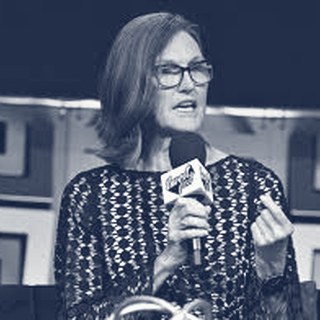 Cathie Wood · ARK Invest · ARK In The Know
Neutral
Michael Oliver tells Kitco Fed policy is essentially irrelevant to the major trends in gold and silver.
I think Fed policy is essentially irrelevant to the major trends in the monetary metals.
Gold since this was said: ▲ +0.9% · 4,337 → 4,375 · as of 2026-09-11
Bearish
Michael Oliver tells Kitco long-dated Treasuries will punch through their yield highs and price lows, forcing the Fed to respond.
We're gonna punch through the yield highs. We're gonna go through the price lows.
Neutral
Michael Oliver tells Kitco the Fed will have to buy long-end Treasuries and print, as Japan does, to defend the government bond market.
but that long end of the bond market, which has not been under their control generally ever, they're gonna have to do what the Japanese are doing.
Neutral
Raoul Pal argues that the SLR change plus zero risk-weighting on Treasuries turns US banks into the Treasury's captive buyer, so the Fed no longer controls liquidity (fiscal dominance).
And what he's saying is we want to jam the banks with unlimited amounts of treasury bond issuance. So now we've got a buyer. So they've completely neutered the Fed.
Neutral
Raoul Pal expects the Fed to have to use the standing repo facility so banks can fund themselves into year-end 2025, because money markets were breaking and banks lacked liquidity.
They're going to have to do something with a standing repo facility to allow the banks to fund themselves into year end.
Neutral
Peter Schiff says rates are still too low and the Fed should be hiking, not cutting, given the weak dollar and rising commodities.
In fact, rates are still too low. They should be hiking interest rates, especially if you look at what's happening with the dollar.
On the scoreboard
Voices in this debate who also have scored calls on the ledger.
Tom Lee · 3 of 12 correctMike Novogratz · 0 of 1 correctCathie Wood · 3 of 5 correctRaoul Pal · 0 of 3 correct
Head to head
Pick any two voices in this debate; their freshest claims go side by side.
Follow The Fed
One short email when this debate moves: new calls, reversals, verdicts. Plain words, free.
Before you trust the call, check the record.
We write down what public figures predict, in their exact words, and check the result when the deadline arrives. Every line links to its source. How we score · Corrections · The scoreboard · The data
© 2026 Pundit Rumble · independent and unaffiliated · updated every market morning · not investment advice.
We write down what public figures predict, in their exact words, and check the result when the deadline arrives. Every line links to its source. How we score · Corrections · The scoreboard · The data
© 2026 Pundit Rumble · independent and unaffiliated · updated every market morning · not investment advice.